Buying Selling Property Italy Taxes: A Comprehensive Guide
When you picture Italy, you might see the Colosseum, Venice, or the Leaning Tower. Yet buyers and sellers face another reality: property taxes in Italy. The rules can look complex at first, but they follow a clear logic. This guide breaks down the costs for both sides of a deal.
Taxes here apply at national and local levels. The government sets national rates, while regions and towns set local ones. As a result, your final bill depends on the property and your status.
Understanding Property Taxes in Italy
Several charges shape property taxes in Italy. The main ones are registration tax, VAT, cadastral and mortgage taxes, and the IMU municipal tax. Each applies differently, so the details matter.
Rates change with the type of purchase. For example, registration tax is 2% on a primary residence but 9% on a second home. Meanwhile, VAT runs from 4% to 22%, depending on the property and its use.
Cadastral and mortgage taxes are fixed amounts on every transaction. The IMU, by contrast, varies with the municipality and the property value. In short, your residency status and the home’s role both affect the total.
Taxes and Fees When You Buy
Picture a charming villa for sale in San Remo. Before you sign, add the taxes and fees to your budget. Otherwise, the final cost can surprise you.
Buyers usually pay registration tax, VAT where it applies, and the fixed cadastral and mortgage taxes. On top of that, a notary oversees the deed and charges a fee. VAT applies mainly to new or heavily renovated homes.
Some buyers also qualify for relief. For example, first-home benefits can lower the registration tax for residents who settle in. Renovation work may unlock further deductions over several years. Therefore, it pays to ask which breaks apply before you sign.
Other costs can appear too. For instance, an agent’s commission is often a percentage of the price. In popular areas like the Ligurian Riviera, a property survey is also money well spent. To trim these outlays, read our guide on saving on taxes and fees.
Taxes and Fees When You Sell
Selling brings its own charges. The main one is capital gains tax, which applies if you sell within five years of buying. The rate follows your income tax band, from 23% to 43%.
There is good news, though. Sell after five years, or sell your primary residence, and you owe no capital gains tax. Therefore, timing can save you a large sum.
Sellers also cover the agent’s commission in most cases. That fee pays for marketing, negotiation, and a smooth closing. Legal costs may appear as well, especially if a dispute arises, so clarify them early.
Professional Help Versus DIY
You can manage property taxes in Italy yourself, or you can hire experts. Each path has trade-offs, and the right choice depends on your comfort with the system.
Professionals guide you through the maze. An agent finds the property or buyer, a lawyer protects your interests, and an accountant plans your tax. For a smooth purchase, our guide to closing the deal is a useful companion.
The DIY route can save on fees, yet it demands real effort. You must track each tax, meet every deadline, and prepare the documents yourself. In fact, one missed step can cost more than the fees you saved. For the official rules, check the Italian Revenue Agency.
Property Taxes in Italy: A Riviera Snapshot
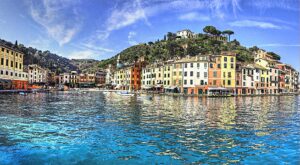
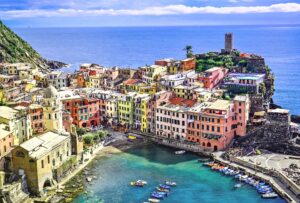
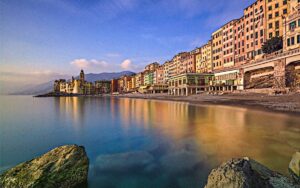
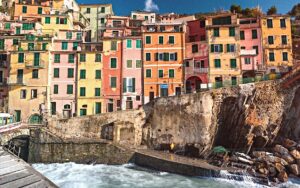
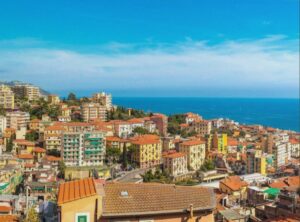
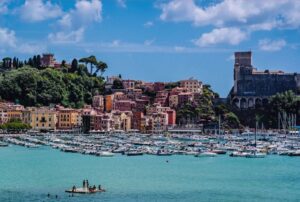
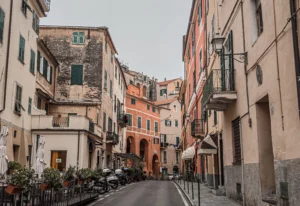
The Ligurian Riviera shows how property taxes in Italy play out in practice. Homes here range from luxury villas to bright apartments, at a wide span of prices. Naturally, the tax you pay tracks the value and type of each one.
Prices vary with location, size, and condition, so research pays off. A good local agent can flag the likely taxes before you commit. To compare local values first, see our overview of house prices in 2023.
Buying or selling in Italy means facing the tax rules head-on. Whether you hire help or go it alone, understanding property taxes in Italy protects your budget. It also keeps the whole transaction calm and predictable.
So plan for registration tax, VAT, and capital gains before you act. With clear figures and steady guidance, your Italian property goal stays firmly within reach.