Overcoming Cultural Differences and Language Barriers When Buying Property in Italy
Buying or selling a property in Italy can be thrilling, yet cultural and language differences often catch newcomers off guard. Regions like the Ligurian Riviera and Sanremo reward patience and local knowledge. This guide shows how to handle those hurdles with clear communication. It also points to practical resources that make the whole process far smoother.
Understanding the Italian Property Market
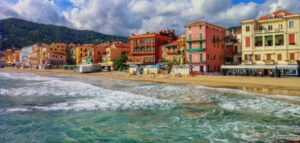
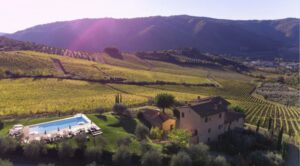
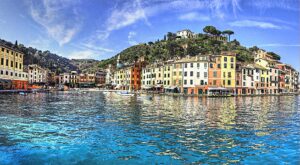
Before buying or selling a property in Italy, get to know how varied the market really is. Coastal villas in Liguria command premium prices, thanks to their sea views and prime location. Meanwhile, quieter inland towns offer more affordable homes with plenty of character. As a result, your budget stretches very differently depending on the area you choose.
Property types differ widely too, from restored townhouses to modern seafront apartments. Regional rules and paperwork also change from one province to the next. For that reason, a good local agent saves you real time and stress. To set expectations early, it helps to review how Italy house prices have shifted in recent years.
Buying or Selling a Property in Italy: Cultural Norms
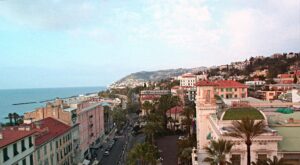
Local culture shapes every deal here. Italians value personal relationships, so face-to-face meetings often matter more than paperwork at the start. For example, a seller in Sanremo may want to know why you chose the town before talking about price. That warmth is not a distraction; it is how trust begins.
This can feel unusual if you come from a market where deals stay strictly impersonal. However, treat it as a chance to connect rather than a delay. In fact, a genuine rapport frequently leads to a smoother negotiation later on. Share your story, and show real interest in theirs.
Getting Past the Language Barrier
English is common in big cities and tourist hubs, but not everywhere. In a small Ligurian town, the agent may speak only Italian. Therefore, a few basic phrases go a long way during viewings and casual chats. Even a simple greeting signals respect and effort.
You do not need to be fluent, though. Language apps, short online courses, and evening classes at home all help. Moreover, a bilingual agent can translate documents and explain legal terms as you go. That support matters most when contracts, deposits, and deadlines are on the line.
Helpful resources are everywhere once you start looking. For informal advice, a local travel forum can answer everyday questions about neighbourhoods and services. In addition, many notaries and agencies provide English-speaking staff on request.
Communication Tips for Buying or Selling a Property in Italy
Clear communication turns obstacles into steady progress. First, show genuine interest in the people across the table. Second, confirm key figures and dates in writing to avoid confusion. Finally, ask your agent to double-check anything that seems ambiguous or rushed.
Trust and timing decide many deals in Italy. When you are ready to negotiate the price, a calm and respectful tone works far better than pressure. Similarly, a reliable local partner helps you close the deal without nasty surprises. Buying or selling a property in Italy becomes far easier once you master these simple habits.
How a Local Agent Helps
A knowledgeable agent bridges both culture and language for you. At KALINKA Immobiliare, our team guides clients across Western Liguria and beyond, from the first viewing to the final signature. We handle high-end apartments, lofts, villas, and country houses with equal care and attention.
Our support reaches well past the sale too. We assist with residence permits, after-sales service, and even setting up a business in Italy. We also arrange construction, renovation, and design planning. Buying or selling a property in Italy is a journey, and a trusted local agent keeps it firmly on course.
In short, patience, curiosity, and the right help make all the difference. Embrace the culture, lean on local expertise, and your Italian property plans will fall neatly into place.